
Slab Thickness
Concrete slabs on the Sunshine Coast should be specified around load, ground conditions, reinforcement, control joints, finished level and future use.
Project Overview
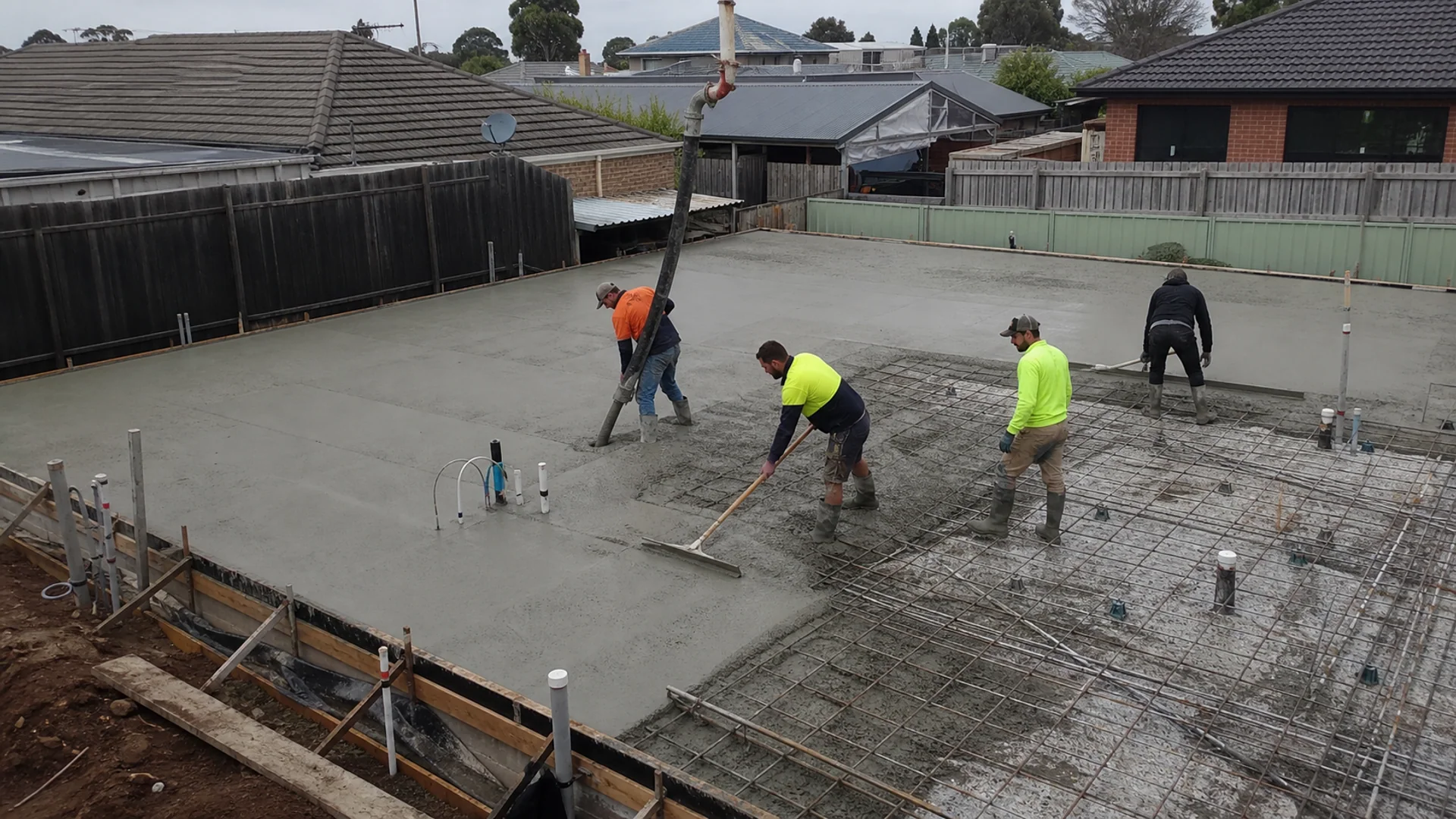
A solid concrete slab is the foundation for almost every structure, from garages and sheds to full residential builds. Our concrete slabs Sunshine Coast team delivers properly reinforced, level slabs built to handle the load and conditions they're designed for, whether it's a small backyard project or a larger construction base.
Every slab starts with correct site preparation — compaction, formwork, and reinforcement — because a slab is only as good as what's underneath it. We work closely with builders, tradespeople, and homeowners to make sure specifications are met before a single truck of concrete arrives on site.
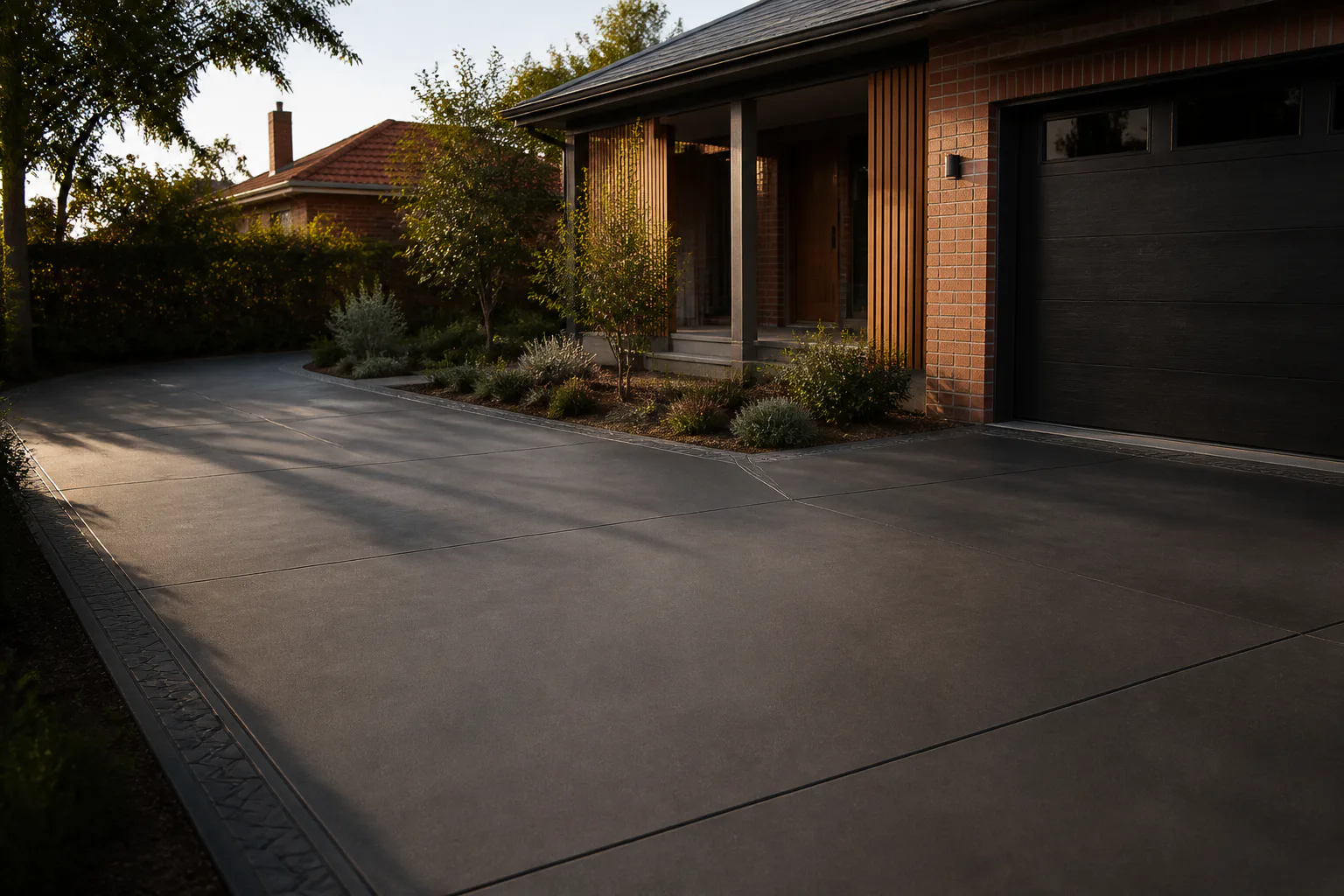
From driveways and sheds to full building foundations, our team handles slabs of all sizes with consistent quality and attention to detail. When you need a slab that's built to last, our team delivers the reliability your project depends on.
Plan The Work
The ground underneath has a say as well. Sandy coastal blocks, reactive hinterland clays and soft river flats all behave differently, so base preparation and compaction get set accordingly. Confirming service locations and the building specification before the pour is what keeps expensive changes off the day.
Intended use and structural specification
None of that is visible once the pour is finished, which is exactly why it is worth doing properly. A slab is only ever as good as what sits under it, and cracking, settlement and moisture problems almost always trace back to this stage rather than to the concrete itself.
Set-downs, rebates and service penetrations
Once the pour is done, the concrete needs a few days left alone. Finishing is judged on the day against the weather rather than the clock, and curing is what actually develops the strength. We will tell you when the slab can take foot traffic, and when it is ready for vehicles or for a build to start on top.
A Practical Result
Correct falls are also essential to direct water away from foundations and nearby structures, reducing the risk of pooling or moisture issues over time. A well-prepared slab avoids costly problems down the track, including cracking and subsidence.
Local Conditions
A well-poured slab also considers drainage and fall to prevent water pooling against foundations or nearby structures. Getting these fundamentals right from the start avoids costly issues down the track, including cracking, subsidence or moisture problems. Concrete slabs are a long-term investment, so proper preparation and curing time make a significant difference to durability. A site assessment will help determine the right specifications for your particular slab and its intended purpose.
The Sunshine Coast's variable soils, from coastal sand to reactive hinterland clay, combined with the wet summer and drier winter cycle, produce more ground movement than most homeowners expect, making adequate thickness and reinforcement particularly important to prevent cracking. Base preparation, including compaction and a suitable sub-base, also plays a major role in slab performance regardless of thickness.
Common Applications
On larger Sunshine Coast blocks, slabs are often used for boat, trailer or caravan parking bays, given their ability to handle sustained weight without shifting. Commercial and acreage properties may also require slabs for machinery pads or loading areas. Each application has different thickness, reinforcement and drainage requirements depending on the load and exposure involved.
Continue planning
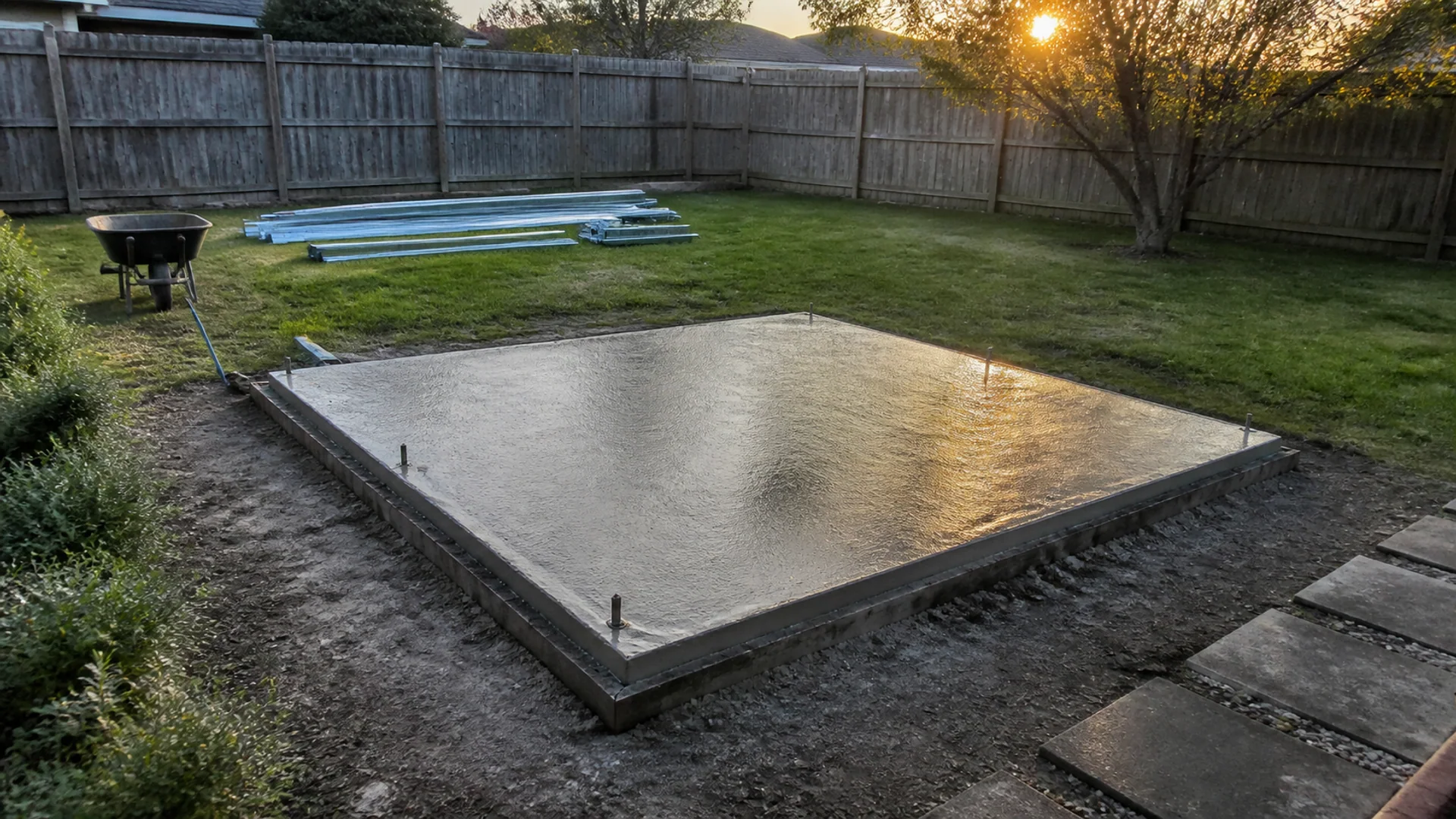
Set out a square, level base sized to the selected shed, access needs and intended storage or workshop use.
View service →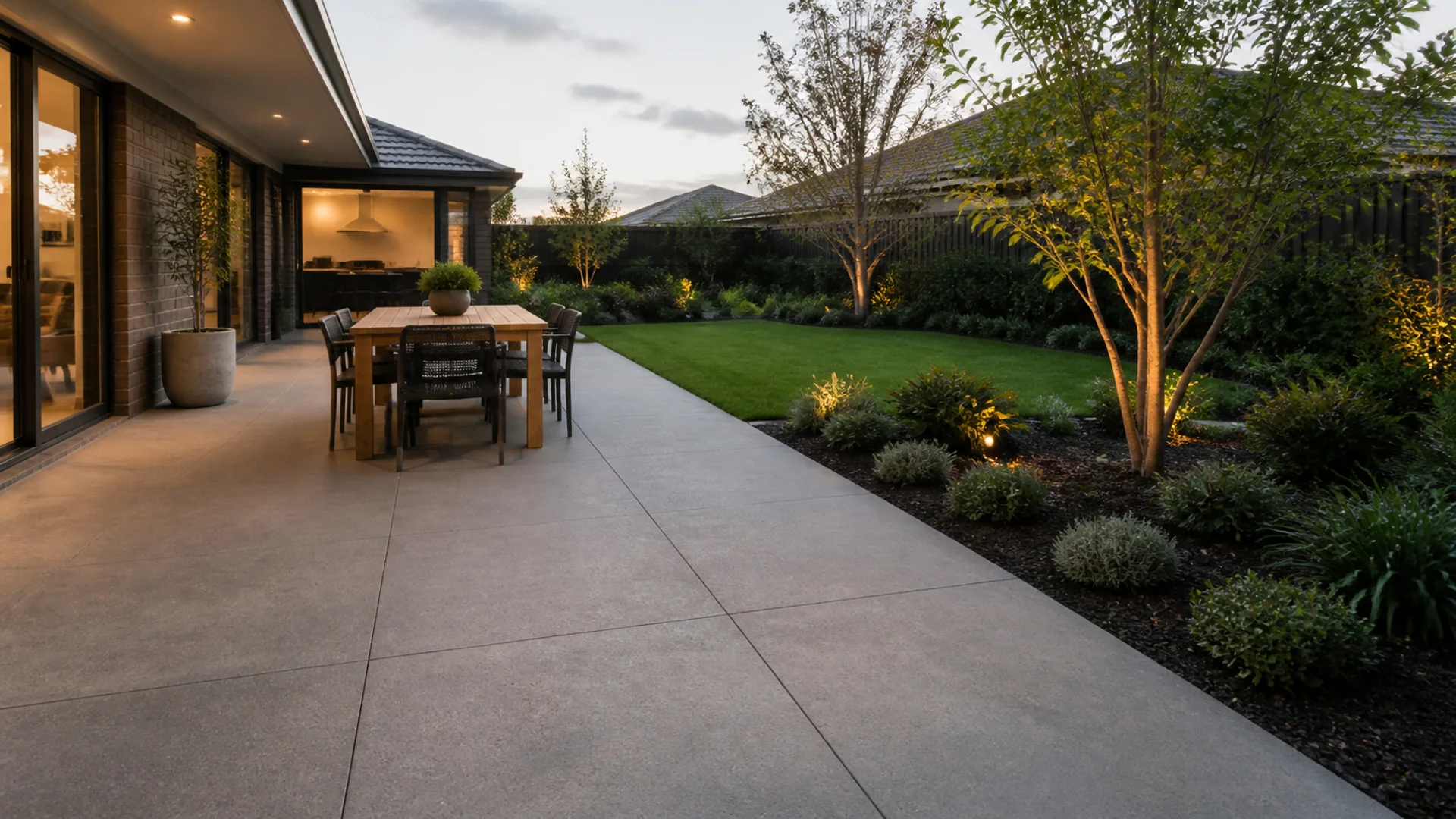
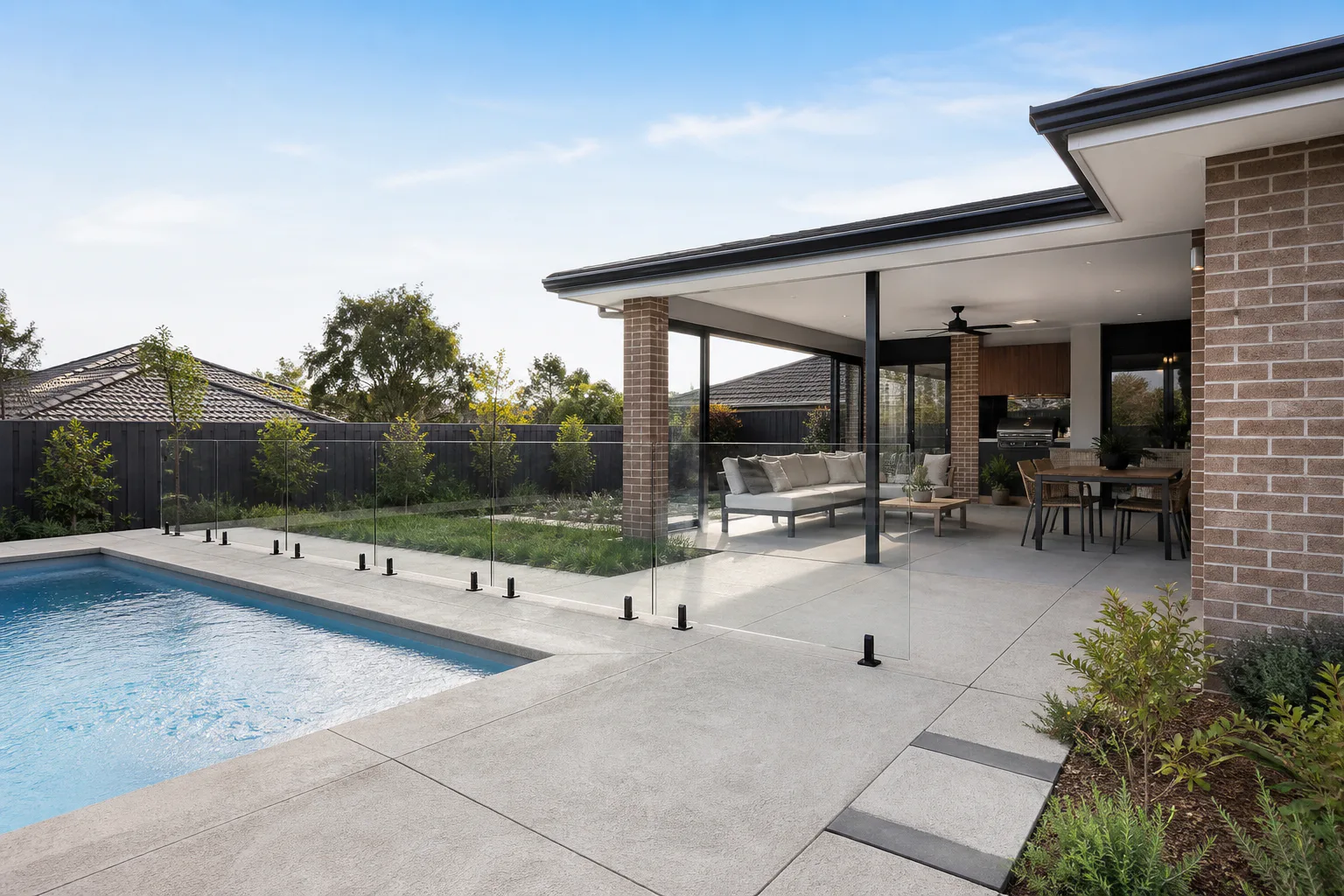
Connect the home and garden with an outdoor surface planned around doors, furniture, shade and water movement.
View service →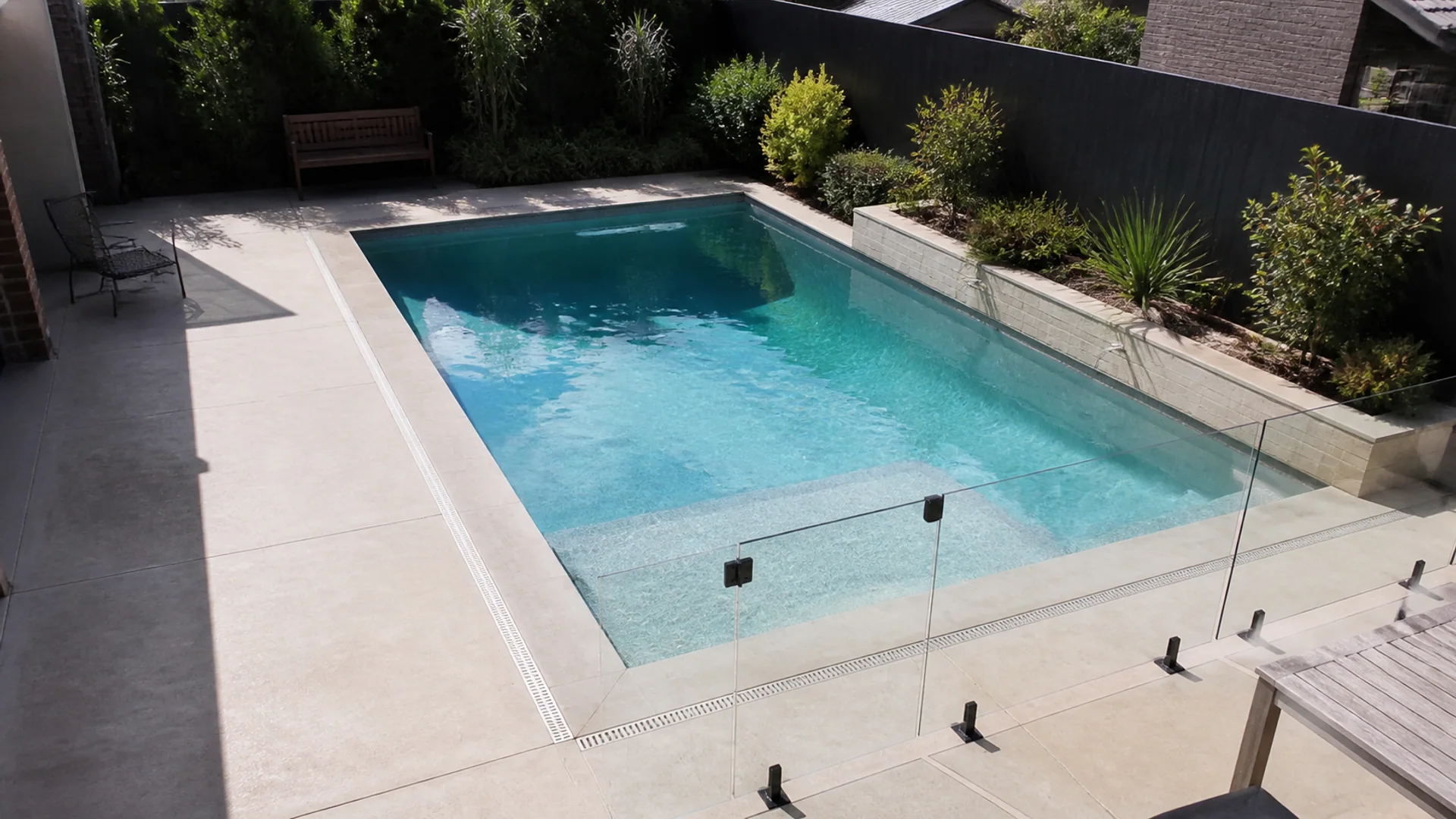
Balance wet-area grip, drainage, heat, comfort and visual continuity around a residential pool.
View service →Plan the next step